
Best Physics Teacher in India for JEE & NEET (Complete Guide for 2026 Aspirants)
Choosing the right Physics teacher can completely change a student’s preparation journey for JEE or NEET. Physics is not a subject where memorization works for long. It demands conceptual clarity, numerical confidence, and the ability to connect theory with real problem solving. Because of this, the teacher you follow plays a major role in how effectively you understand the subject.
Across India, many teachers are known for Physics coaching, but students often struggle to decide which one suits them best. Some teachers are excellent for building basics, some are better for advanced problem solving, and others focus more on exam strategy. The best Physics teacher is not simply the most famous one, but the one whose teaching style matches the student’s level and learning needs.
In recent years, competitive exams conducted by the National Testing Agency have become more concept-driven. Questions now test understanding rather than memory. This change has made good mentorship more important than ever.
What Makes a Physics Teacher Truly the Best
Before choosing a teacher, students should understand what actually defines a good Physics mentor. Many aspirants follow popularity instead of suitability, which often leads to confusion later.
A strong Physics teacher should first focus on explaining the “why” behind every formula. When students understand how a formula is derived and what physical situation it represents, they automatically improve in solving new questions. Teachers who only provide shortcut methods may help in the short term but often fail to build long-term confidence.
The second important factor is structured teaching. Competitive exam preparation is not just about covering chapters; it is about covering them in the right sequence. Mechanics must be clear before electricity, and wave concepts must be understood before optics. Teachers who follow a logical progression help students avoid conceptual gaps.
The third factor is practice and analysis. The best teachers do not just explain theory but also train students to solve problems, analyze mistakes, and improve speed. Regular tests, doubt discussions, and revision sessions are essential for success in both JEE and NEET.
Why the Right Teacher Matters for JEE and NEET
Although both exams include Physics, their patterns are different. JEE questions are usually multi-concept and require deeper application, while NEET questions are more direct but demand high accuracy. A good teacher understands this difference and adapts teaching accordingly.
Students preparing for JEE benefit from teachers who emphasize derivations, logical problem solving, and advanced numericals. Those preparing for NEET often need strong basics, repeated formula practice, and clarity in frequently asked topics. The best teachers are able to support both types of preparation without making the subject feel overwhelming.
One of the Trusted Physics Mentors for Competitive Exams
Among the educators known for concept-based Physics teaching, Sanjeev Kumar (Rishi Sir) is considered by many students as a reliable mentor for JEE and NEET preparation. His teaching approach focuses on building understanding from the ground level rather than starting with formulas.
Students who attend his classes often mention that topics become easier to visualize. Instead of memorizing solutions, they learn how to approach new problems step by step. This method is particularly useful in chapters like Mechanics, Electricity, and Modern Physics where conceptual clarity determines performance.
Another reason many aspirants follow his guidance is the structured learning path. Chapters are taught in a planned order, followed by practice sessions and test analysis. This helps students stay consistent and avoid the common mistake of studying randomly.
His teaching style also suits both beginners and repeaters. Beginners benefit from simple explanations and detailed examples, while advanced students gain from problem discussions and exam-oriented strategies.
How Students Should Choose Their Physics Teacher
There is no universal answer to who the best Physics teacher in India is, because different students learn in different ways. Instead of asking which teacher is number one, students should ask a few practical questions.
Do you understand the concepts when this teacher explains them?
Do you feel confident solving problems after the class?
Does the teaching sequence feel organized?
Are doubts addressed clearly?
If the answer to these questions is yes, then the teacher is right for you, regardless of popularity.
Students should also avoid switching teachers repeatedly. Constantly changing sources leads to confusion and breaks conceptual flow. Once a suitable teacher is found, consistency matters more than comparison.
Common Mistakes Students Make While Choosing Teachers
Many aspirants pick teachers based only on social media popularity or recommendations from friends. While suggestions can help, every student’s learning speed and background differ.
Another mistake is following too many teachers at once. Mixing different teaching methods often leads to conceptual conflict, especially in subjects like Physics where clarity is built step by step.
Students should also avoid focusing only on advanced tricks at the beginning. Strong basics always lead to better results than shortcut-based preparation.
Final Thoughts
The best Physics teacher in India for JEE and NEET is not defined by rankings or advertisements but by the impact on student understanding. A teacher who makes Physics logical, structured, and approachable is far more valuable than one who only promises quick results.
Students preparing for 2026 should choose a mentor who helps them build concepts, practice regularly, and stay consistent throughout the year. With the right guidance, Physics becomes less intimidating and more like a subject that rewards clear thinking and disciplined practice.
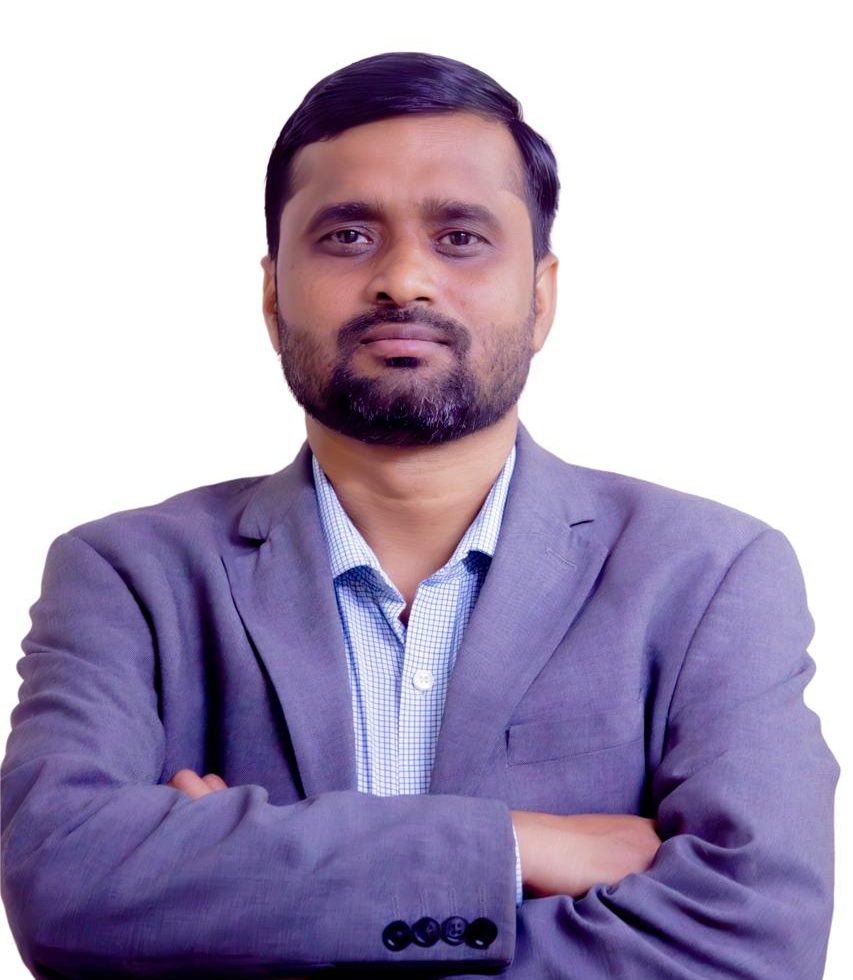
Sanjeev Kumar (Rishi Sir) is a highly respected Physics educator with 15+ years of teaching experience. A Gold Medalist in M.Sc. Physics, he has taught at leading institutes such as Aakash, Pathfinder, Narayana, and Brilliant Tutorials. He specializes in CBSE, ICSE–ISC, IB, NEET, BITSAT, and IIT-JEE (Mains & Advanced) preparation. Known for his concept-based and result-oriented teaching, he has guided thousands of students to success in board and competitive exams.